Introduction
If you are scaling outbound sales in 2026, you need dedicated cold email infrastructure tools to bypass strict, AI-driven inbox filters like Google's Gemini-based algorithms. Relying solely on standard workspace accounts is no longer viable for high-volume outreach. Instead, B2B SaaS growth leads and agencies must build a robust email infrastructure that supports automated domain rotation, strict authentication protocols, and high-volume routing.
Streamline your software evaluation process
To help you find the best cold email infrastructure for your specific volume and technical requirements, this guide reviews the top 12 SMTP providers and delivery networks. Whether you need developer-first APIs or agency-friendly bulk delivery, choosing the right cold email infrastructure is the foundation for keeping your B2B outreach landing in the primary inbox.
Key Takeaways
High-Volume Leaders: Amazon SES, Mailgun, and Twilio SendGrid dominate the 2026 landscape for enterprise-scale cold email, offering unparalleled cost-efficiency and developer-first infrastructure.
Agency & Specialized Picks: SMTP.com, SMTP2GO, and Postmark provide reliable bulk delivery and simplified tracking for agencies, while tools like Mailpace and Sarbacane SendKit offer specialized, privacy-focused, and region-specific infrastructure.
Infrastructure Shift: Relying solely on Google Workspace is no longer viable for high-volume outreach in 2026. Transitioning to dedicated SMTP infrastructure is essential for avoiding strict rate limits and maintaining control over sender reputation.
Core Deliverability Principles: Successful scaling requires strict adherence to technical fundamentals: registering secondary domains, configuring precise DNS records, distinguishing between passive domain aging and active warmup, and utilizing dedicated IPs.
Data Hygiene: Protecting your infrastructure investment demands integrating advanced waterfall validation tools and actively monitoring stream scores to prevent bounces and spam traps.
Top 12 Cold Email Infrastructure Tools
Amazon SES — Best for cost-effective, high-volume email sending.
Mailgun — Best for developer-led email infrastructure.
Twilio SendGrid — Best for enterprise-scale email delivery.
SMTP.com — Best for reliable bulk email delivery.
SMTP2GO — Best for agencies managing multiple client accounts.
Postmark — Best for critical, high-priority email delivery.
SocketLabs — Best for advanced deliverability analytics.
Inboxroad — Best for personalized deliverability support.
MailerSend — Best for API-driven SaaS email delivery.
Elastic Email — Best for affordable email infrastructure and campaigns.
Mailpace — Best for privacy-focused email delivery.
Sarbacane SendKit — Best for GDPR-focused European email infrastructure.
Software covered in this article
To help you understand Email Infrastructure software in the right context, this article refers to a carefully curated set of key players:












2026 Cold Email Benchmarks: Beyond the Surface Metrics
Before selecting an infrastructure provider, it is crucial to understand the metrics that define success in 2026. Measured cold email open rates currently average 47%, but these numbers are heavily inflated by 15 to 25 points due to Mail Privacy Protection (MPP) and bot activity. The real engaged rate hovers closer to 20% to 34%.
To achieve the industry target of a 3.2% to 8% positive reply rate on warmed, segmented lists, your technical foundation must be flawless. If your reply rates dip below 2%, it is rarely a copywriting issue—it is a deliverability crisis. High-volume senders must shift their focus from gross volume to inbox placement and engagement. Consistent domain health and steady sending patterns yield 15% to 20% higher reply rates.
Scaling cold outreach? Use AuthenCIO to compare the top 12 infrastructure solutions for free.
Why Your Cold Email Infrastructure Dictates Your Outreach Success
Infrastructure is the invisible backbone of B2B cold email success. Following aggressive late-2025 spam filtering updates, bulk sender requirements are strictly enforced. A scalable email infrastructure is required to manage high-volume outreach without triggering provider blocks. Senders must maintain pristine authentication—specifically SPF, DKIM, and DMARC—offer one-click unsubscribes, and keep spam complaints under the 0.08% threshold.
Managing hundreds of sender accounts manually causes sudden drops in inbox placement. Effective email infrastructure optimization requires automated domain rotation, dynamic IP routing, and continuous health monitoring to keep bounce rates below the 2% red flag threshold. You need email infrastructure tools with strong deliverability features like automated bounce processing and real-time reputation tracking. Without a robust SMTP relay for bulk outreach to handle these complexities, your AI-personalized emails will never reach the primary inbox.
The 2026 Debate: Google Workspace vs. Dedicated SMTP Infrastructure
A major shift in 2026 is the migration away from traditional ESPs like Google Workspace and Microsoft 365 for high-volume sending. While these platforms are excellent for internal corporate communication, their strict sending limits and rapid suspension algorithms make them volatile for cold outreach at scale.
Dedicated SMTP infrastructure provides the control necessary for enterprise-level volume. By utilizing dedicated IP addresses and custom routing rules, agencies can isolate their sender reputation from bad actors on shared networks. This transition reduces the risk of sudden workspace bans that halt lead flow and revenue.
Infrastructure vs. Sending Platforms: Connecting the Pipes to the Brains
It is important to distinguish between the "pipes" (your infrastructure) and the "brains" (your sending platform). Tools like Smartlead or Instantly serve as the brain, orchestrating AI-personalization, campaign sequencing, and unified inbox management.
However, these platforms rely entirely on the underlying SMTP pipes to actually deliver the mail. The best SMTP for cold email 2026 must integrate seamlessly with these sending platforms via robust APIs or standard SMTP credentials. A powerful sending platform paired with weak infrastructure will still result in spam folder placement.
Top 12 Cold Email Infrastructure Solutions for 2026
Finding the best email infrastructure provider requires balancing volume, budget, and risk. If you need viable Maildeck alternatives or Scaledmail alternatives, today's email infrastructure platforms are built for scale.
Below is a comparison of the top cold email infrastructure providers. Whether you need an enterprise tool or the best email infrastructure platform for your agency, these email infrastructure providers detail high-volume plans, pricing, use cases, and compliance risks.
Plan | Price ($) | Best For | Features | Risk |
SMTP.com | $25.00/month | Growing agencies | Shared IP, Delivery reporting, 24/7 support, API access, High throughput | Low |
SMTP2GO | $15.00/month | Boutique agencies | Spam trap detection, Real-time analytics, Ticket support, Sub-account management, API | Low |
Amazon SES | $0.16/1000 emails | Enterprise scale | Pay-as-you-go, Dedicated IP option, AWS integration, Mailbox simulator, High deliverability | Medium |
Mailgun | $35.00/month | Developer-led teams | Inbound routing, Email validation, 1 Day log retention, 24/7 ticket support, Webhooks | Medium |
Twilio SendGrid | Starts from $19.95/month | High-volume SaaS | Delivery optimization, Template engine, API integration, Bounce tracking, Analytics | High |
Mailpace | $10.00/month | Privacy-focused teams | European servers, No tracking by default, Crypto payments, Fast API, Sub-accounts | Low |
Sarbacane Sendkit | Custom | EU-based outreach | GDPR compliant, Real-time monitoring, Dedicated IP add-on, Webhooks, API | Low |
Postmark | $15.00/month | Critical deliverability | 45-day history, Lightning-fast delivery, Bounce management, Detailed analytics, Clean IPs | High |
Elastic Email | $9.00/month | Scalable marketing | A/B testing, Campaign creation, Delivery tools, Sub-accounts, Webhooks | Medium |
SocketLabs | $39.95/month | Deliverability pros | StreamScore analytics, Real-time reporting, API access, Email authentication, Support | Low |
Inboxroad | $68.00/month | Personalized support | Dedicated IP, Deliverability consulting, Custom routing, Webhooks, API | Low |
MailerSend | $35.00/month | Rapidly scaling SaaS | API integration, SMS integration, Email verification, Advanced analytics, Webhooks | Medium |
Note: Prices reflect typical monthly billing. Annual discounts are excluded for easier comparison. Actual costs vary by requirements, volume, and terms.
Find Perfect Software for Your Business
High-Volume Powerhouses: Amazon SES, Mailgun, and Twilio SendGrid
For enterprise teams sending 100k+ emails monthly, Amazon SES, Mailgun, and Twilio SendGrid are the best services for sending high-volume transactional email with multi-region failover and 99.99% uptime SLAs. These email infrastructure services deliver the raw throughput and reliability required, making them the industry standard cold email infrastructure services for massive outreach.
1. Amazon SES: The Most Cost-Effective Scaling Solution
Amazon Simple Email Service (SES) remains the most cost-effective scaling solution on the market. When evaluating Amazon SES vs SendGrid for cold email, SES almost always wins on a "Cost-per-Inbox" basis. At just $0.10 per 1,000 emails, it allows growth leads to scale without bloated software overhead.

However, new agency setups must be warned about the Amazon SES "Sandbox" mode. Getting out of the sandbox requires a manual review process where you must explicitly detail your bounce and complaint handling procedures. For teams with dedicated deliverability engineers, securing a dedicated IP for cold email through SES provides unparalleled control over sender reputation.
2. Mailgun: Developer-First Infrastructure for Growth Leads
Mailgun is a developer-first platform that excels in complex integration environments. As one of the premier email infrastructure tools for 2026, it supports modern AI-personalization layers and signal-triggered campaigns via robust webhooks and inbound routing.

Mailgun also stands out as one of the leading email template tools in infrastructure services. Its advanced templating API allows developers to separate design from code, enabling growth leads to iterate on cold outreach copy dynamically without requiring backend updates.
Another standout feature is its native email validation API. By implementing waterfall enrichment and running lists through Mailgun's validation, senders can easily reduce invalid emails to under 1.5%, keeping bounce rates well below the dangerous 3% threshold. It is a premier email deliverability service for technical growth leads.
3. Twilio SendGrid: Enterprise-Grade Reliability at Scale
Is Twilio SendGrid good for cold email campaigns? Generally, no. While it is a top-tier email infrastructure provider offering enterprise-grade reliability, its strict compliance makes it risky for unsolicited outreach.
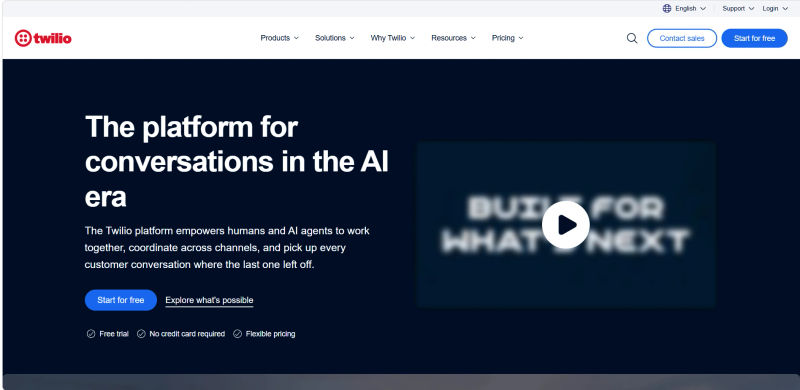
Proceed with Caution: SendGrid has an aggressive compliance team that protects shared IP pools and quickly bans accounts triggering high spam complaints. High-volume cold emailers must purchase dedicated IPs and adhere to strict warmup protocols to survive on this platform.
If you need the best alternative to Twilio SendGrid for high volume email sending, Amazon SES is better suited for outbound sales. For multi-client campaigns, SMTP2GO is a highly reliable email infrastructure for agencies. SendGrid provides extensive documentation for setting up secondary domains to protect the primary brand domain, but its low tolerance for cold email metrics makes alternatives preferable.
Agency Favorites: SMTP.com, SMTP2GO, and Postmark
Boutique to mid-market agencies require a balance of power and usability. They need tools that simplify the complexity of managing multiple ESPs through a single interface while maintaining high deliverability.
4. SMTP.com: Reliable Bulk Delivery for Established Teams
With decades of experience in the email delivery space, SMTP.com is a highly reliable SMTP relay for bulk outreach. They specialize in maintaining pristine IP reputations, which is crucial as domain reputation emerges as a tradeable asset in 2026.
SMTP.com's infrastructure is built to handle large bursts of traffic, making it ideal for agencies running synchronized, signal-triggered campaigns that target active buying windows. They offer a strong balance of managed deliverability and high-volume throughput for established teams moving away from traditional workspace setups.
5. SMTP2GO: Simplified Outreach Management and Tracking
Finding the right email infrastructure for agencies is a critical decision, and SMTP2GO simplifies this process with its exceptional sub-account architecture. Managing fifty or more client accounts can be a logistical nightmare, but SMTP2GO allows agencies to isolate sender reputations completely. If one client's bounce rate spikes, it does not compromise the infrastructure of the entire agency.

Furthermore, their real-time spam trap detection acts as an early warning system, preventing long-term blacklisting and ensuring your B2B outreach infrastructure remains healthy across all client campaigns.
6. Postmark: Exceptional Deliverability for Critical Outreach
Historically known as a strict transactional email provider, Postmark has become a secret weapon for highly targeted, low-volume, high-relevance cold outreach. Postmark enforces strict quality guidelines, meaning their shared IP pools are incredibly clean.

Proceed with Caution: Postmark is one of the strictest transactional email providers for cold outreach. They do not tolerate traditional "spray and pray" bulk spam and will ban accounts for non-transactional traffic that generates complaints. Agencies executing hyper-personalized, intelligence-led campaigns use Postmark to ensure lightning-fast, guaranteed primary inbox placement.
Emerging & Specialized Solutions: Mailpace, Sarbacane SendKit, and Elastic Email
As the market fragments, specialized infrastructure providers have emerged to solve specific regional, privacy, and scalability challenges.
7. Mailpace: Privacy-Focused Delivery for Modern Outreach
Mailpace is a modern, privacy-focused delivery engine. In 2026, data privacy is a major concern for B2B outreach. Mailpace operates entirely on European servers and disables open and click tracking by default—a feature that actually boosts deliverability by bypassing strict corporate firewalls that flag tracking pixels.

For tech-savvy growth leads, Mailpace offers a blazing-fast API and accepts cryptocurrency payments, making it a highly flexible and secure option for modern outreach stacks that prioritize inbox placement over vanity tracking metrics.
8. Sarbacane SendKit: High-Performance European Infrastructure
Sarbacane SendKit is a European‑focused SMTP relay designed for compliance‑driven businesses. It emphasizes GDPR alignment, ISO 27001 security, and SOC 2 Type II certification, ensuring reliable deliverability while meeting strict EU data protection and privacy standards.
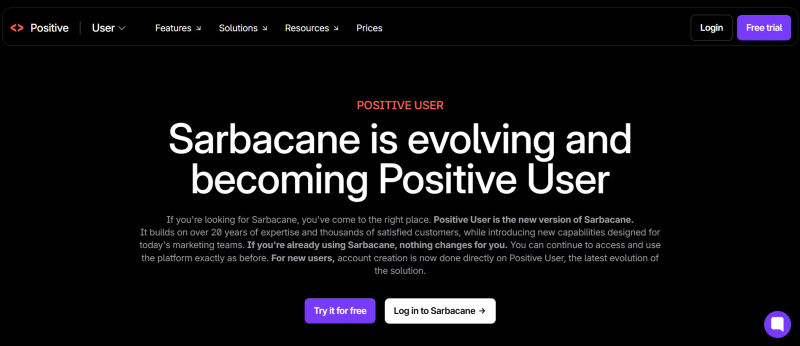
Best suited for organizations prioritizing European regulatory adherence, SendKit combines advanced authentication (SPF, DKIM, DMARC) with one‑click unsubscribes and bounce monitoring. Its infrastructure supports agencies and enterprises needing scalable, compliant cold email outreach across diverse B2B markets.
9. Elastic Email: Flexible Scaling for Marketing Agencies
Elastic Email bridges the gap between traditional marketing platforms and raw infrastructure. It offers flexible scaling for marketing agencies that need to blend newsletters with cold outreach. Their Email API is highly cost-effective, and their platform includes built-in A/B testing capabilities.

This allows growth leads to continuously test short, under-80-word email variations to find the perfect message-market alignment that drives reply rates above 5%. It is an excellent middle-ground for teams that need both API access and campaign management tools.
Reliable Alternatives: SocketLabs, Inboxroad, and MailerSend
When standard solutions fail to provide the necessary analytics or support, these three providers offer advanced tooling and personalized deliverability consulting.
10. SocketLabs: Advanced Analytics for Deliverability Pros
SocketLabs stands out as the top email infrastructure for analytics, specifically engineered for deliverability pros. As the email infrastructure platform with best monitoring capabilities, its proprietary StreamScore analytics provide a deep, technical breakdown of domain health, far beyond basic open and click rates. Having granular data on 2026-specific ISP changes is a massive competitive advantage.

For teams seeking an email infrastructure with advanced analytics, SocketLabs delivers unparalleled visibility into bounce categorization and authentication failures. It identifies hidden issues before they cause account suspensions, making it a vital tool for growth leads managing complex B2B outreach.
11. Inboxroad: Personalized Support for High-Volume Senders
High-volume outreach often requires human intervention. Inboxroad stands out by offering personalized support for high-volume senders. Instead of relying solely on automated ticketing systems, Inboxroad pairs you with deliverability engineers who help design custom routing rules and dedicated IP architectures.

For agencies scaling from 10k to 500k emails per month, this consultative approach prevents the technical infrastructure failures that cause high client churn. They act as an extension of your team, ensuring your cold email infrastructure remains optimized.
12. MailerSend: Intuitive API for Rapidly Scaling SaaS
MailerSend is an intuitive API designed for rapidly scaling SaaS companies. It integrates seamlessly with modern tech stacks, allowing growth teams to trigger cold emails based on complex product usage signals or intent data.

Their infrastructure includes built-in email verification to catch bounces before they happen, and their advanced analytics dashboard provides a clear view of your overall B2B outreach infrastructure health. By focusing strictly on API robustness and deliverability, MailerSend provides a stable foundation for automated, high-volume campaigns.
Scaling Outbound Sales Volume: How to Choose Your Backbone
Selecting the right infrastructure is a strategic decision that impacts your bottom line. To ensure a smooth transition and maintain high deliverability while scaling outbound sales volume, follow this 10-step checklist for migrating domains and setting up your new provider:
1. Audit Current Volume
Calculate your exact monthly sending volume to determine whether a pay-as-you-go model or a tiered subscription is more cost-effective for your agency.
2. Assess Technical Resources
If you lack an in-house developer, avoid raw APIs and opt for managed solutions that offer dedicated deliverability consulting and setup assistance.
3. Register Secondary Domains
Never use your primary brand domain for high-volume cold outreach. Register variations to protect your core business operations from potential blacklists.
4. Configure DNS Records
Immediately set up SPF, DKIM, and DMARC records for all new domains to comply with strict 2026 ISP regulations and ensure inbox placement.
5. Implement Domain Forwarding
Ensure all secondary domains redirect seamlessly to your primary website so that curious prospects can easily find your main product offerings.
6. Select IP Strategy
Decide between shared IP pools, which are best for lower volumes, or a dedicated IP, which is mandatory for sending over 100k+ emails per month.
7. Distinguish Between Domain Aging and Warmup
Understand that domain aging simply means letting a registered domain sit for 30 days. Warmup is the active, gradual process of increasing daily sending volume. Both are required.
8. Integrate Waterfall Validation Tools
Connect your infrastructure to waterfall enrichment tools. Relying on a single verification source is obsolete in 2026; waterfall validation ensures bounce rates stay strictly under 1.5%.
9. Set Up Webhooks
Configure real-time alerts for spam complaints, ensuring they never breach the 0.08% threshold, allowing you to pause campaigns immediately if issues arise.
10. Monitor Stream Scores
Use built-in analytics to track inbox placement rates across different ISPs, ensuring your technical setup adapts to ongoing algorithm changes.
Try AuthenCIO
Move to faster, smarter software evaluation with AI
Conclusion: Selecting the Right Provider for Your 2026 Growth
Choosing the best SMTP for cold email 2026 is no longer just about finding the cheapest bulk sender. It requires a strategic alignment between your monthly volume, technical capabilities, and deliverability goals.
Whether you leverage the raw power of Amazon SES, the agency-friendly architecture of SMTP2GO, or the privacy-first approach of Mailpace, prioritizing infrastructure health is the only way to guarantee your message reaches the decision-maker's inbox. By investing in a dedicated, high-volume outreach solution, you protect your sender reputation and ensure your campaigns generate consistent, scalable revenue.